PaveEDU. Making AI useful for what matters.Book a speaking conversation

Speaking · Young People & Families

Help young people face AI with curiosity and judgment.

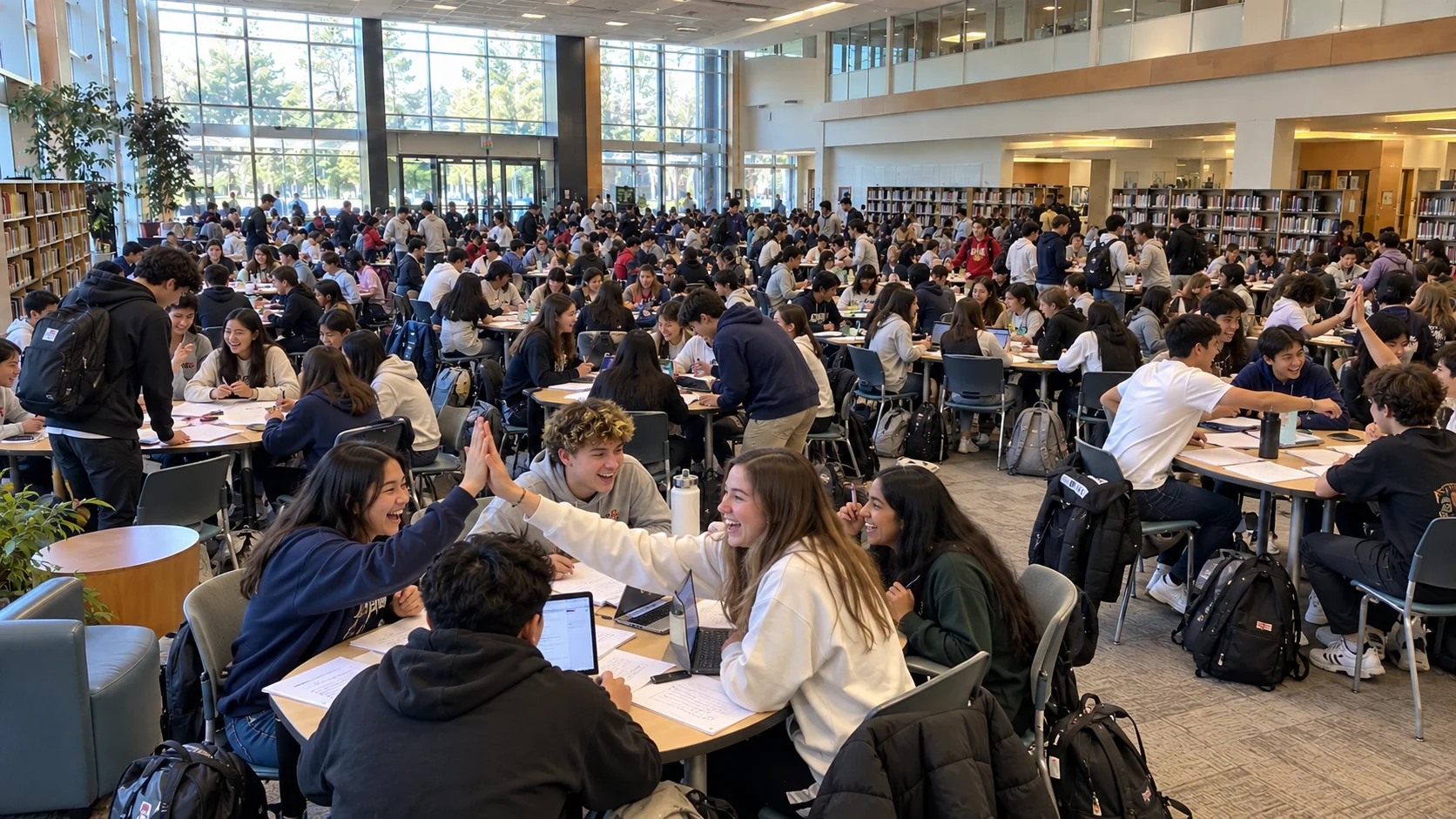
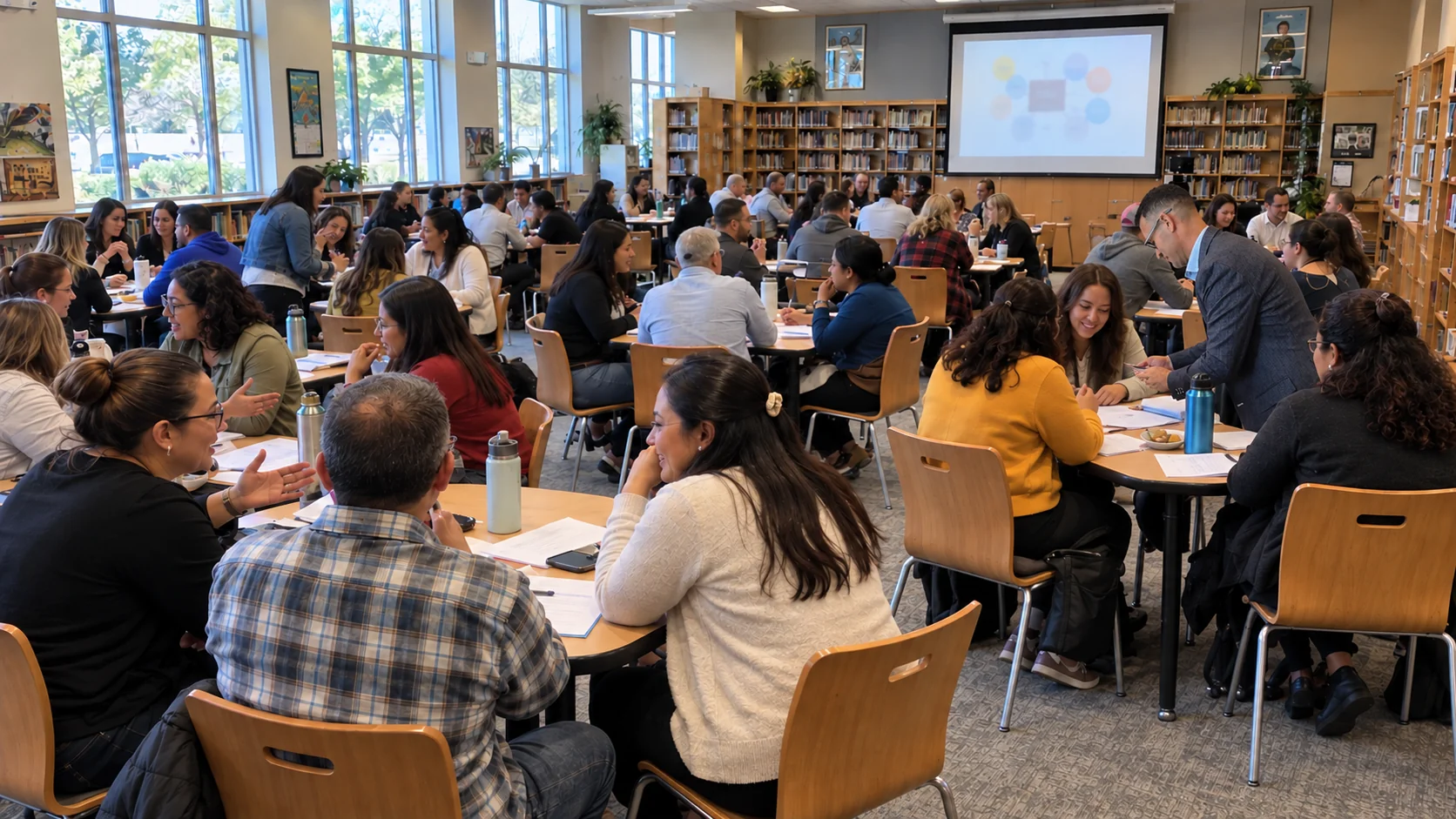
Students collaborating in small groups in a school learning commons.

Interactive talks and workshops for students, alongside practical conversations for parents and caregivers.

Youth

Sessions for young people

Choose a topic that fits your group. Tell us who will attend, and we’ll discuss suitable examples and activities.

All sessions can also be offered through a Catholic faith lens, drawing on published Vatican guidance, including Pope Leo XIV’s encyclical Magnifica Humanitas.

Thriving with AIHow can students use AI without letting it do their learning for them?

Interactive talk · 60–90 minutes

Through examples, predictions and discussion, participants explore how different ways of using AI affect learning. The session introduces the Five Ways to Be Wise with AI and connects them to everyday choices.

What we explore

  • Compare AI uses that support learning with uses that can get in the way.
  • Reflect on habits that shape attention and independent thinking.
  • Identify one choice to reconsider in their own AI use.
Ask about Thriving with AI
AI and the Future of WorkWhat might AI change about work—and the skills worth developing?

Interactive talk · 60–90 minutes

Participants explore how AI may change jobs and tasks. They examine evidence about the skills employers are prioritizing, discuss it with their peers, and connect these changes to their own interests and choices.

What we explore

  • Discuss how AI may change familiar jobs and tasks.
  • Compare skills employers are prioritizing more or less.
  • Consider how daily activities can help develop those skills.
Ask about AI and the Future of Work
Thriving in an AI WorldMore time to discuss, compare and connect AI to their own lives.

Half-day workshop

An extended workshop for groups that want to explore learning, skills and future choices in more depth. Participants take part in activities and peer discussion, with the focus shaped around the group.

What we explore

  • Compare different approaches to using AI for learning.
  • Discuss how AI may change the skills that matter at work.
  • Reflect on choices and habits they want to develop.
Ask about Thriving in an AI World

Have a particular audience or event in mind? We can discuss which topic and format fit.

Parents & caregivers

Understand AI.
Find ways to guide.

Start with a clear picture of what’s changing. Then explore practical actions you can take with your child.

All sessions can also be offered through a Catholic faith lens, drawing on published Vatican guidance, including Pope Leo XIV’s encyclical Magnifica Humanitas.

Raising AI-Ready KidsUnderstand what’s happening. Know what to look for. Find ways to guide your child.

Parent presentation

A clear, plain-language explanation of what’s happening in the world right now, the key things parents need to understand about AI today, and where it’s headed in the near future.

The session introduces the Five Ways to Be Wise with AI and gives parents practical ways to support their child, whatever their age.

Available with a Catholic faith perspective for Catholic parent communities.

What parents take away

  • Questions to help understand how their child is using AI.
  • Simple ways to guide AI use that supports learning.
  • A take-home resource with conversation prompts and activities that take five minutes or less.

Practical things to try within days—and return to together each week.

Ask about Raising AI-Ready Kids
Raising AI-Ready Kids: A Hands-On Workshop for ParentsTry AI yourself. Explore how to guide your child’s learning.

Hands-on parent workshop · 90 minutes

Parents get hands-on with AI to explore ways it can support their child’s learning—and uses that can get in the way. They also practise how to approach difficult conversations about AI with their children.

Available with a Catholic faith perspective for Catholic parent communities.

What parents practise

  • Try different ways of using AI to support learning.
  • Compare those uses with approaches that replace the child’s own thinking and effort.
  • Explore questions and responses for difficult conversations with their child.

A natural follow-up to Raising AI-Ready Kids, also available as a standalone workshop.

Ask about Raising AI-Ready Kids: A Hands-On Workshop for Parents

Not sure where to start? Tell us about your parent community and what they need most.

Speaking & facilitation

Not a presentation to sit through.
An experience youth take part in.

PaveEDU sessions are built around the P.A.V.E. Methodology — Personal, Active, Venture-driven Experiences. Participants don't simply listen to someone talk about AI. They predict, compare, discuss, reflect and connect the ideas to choices in their own lives.

Three young people discussing ideas together around a laptop.
InteractiveReflectiveAction-oriented
Where insight
becomes action.

The P.A.V.E. Methodology

PersonalStart where they are.

Examples and questions connect AI to participants' learning, habits, interests and future choices.

ActiveGet them participating.

Participants predict, discuss, compare evidence, reflect and learn with one another.

Venture-drivenTurn reflection into a next step.

Participants are encouraged to identify a choice, habit or action they want to reconsider after the session.

ExperiencesMake the ideas stick.

The session connects information, conversation and participation so the experience is something participants can continue thinking and talking about afterward.

We don’t just teach AI — we PAVE the way.

For parents and caregivers, the same approach starts with their family's questions, includes discussion and hands-on exploration where appropriate, and offers something practical to try at home and keep talking about afterward.

See P.A.V.E. in action

Activity 1 of 3
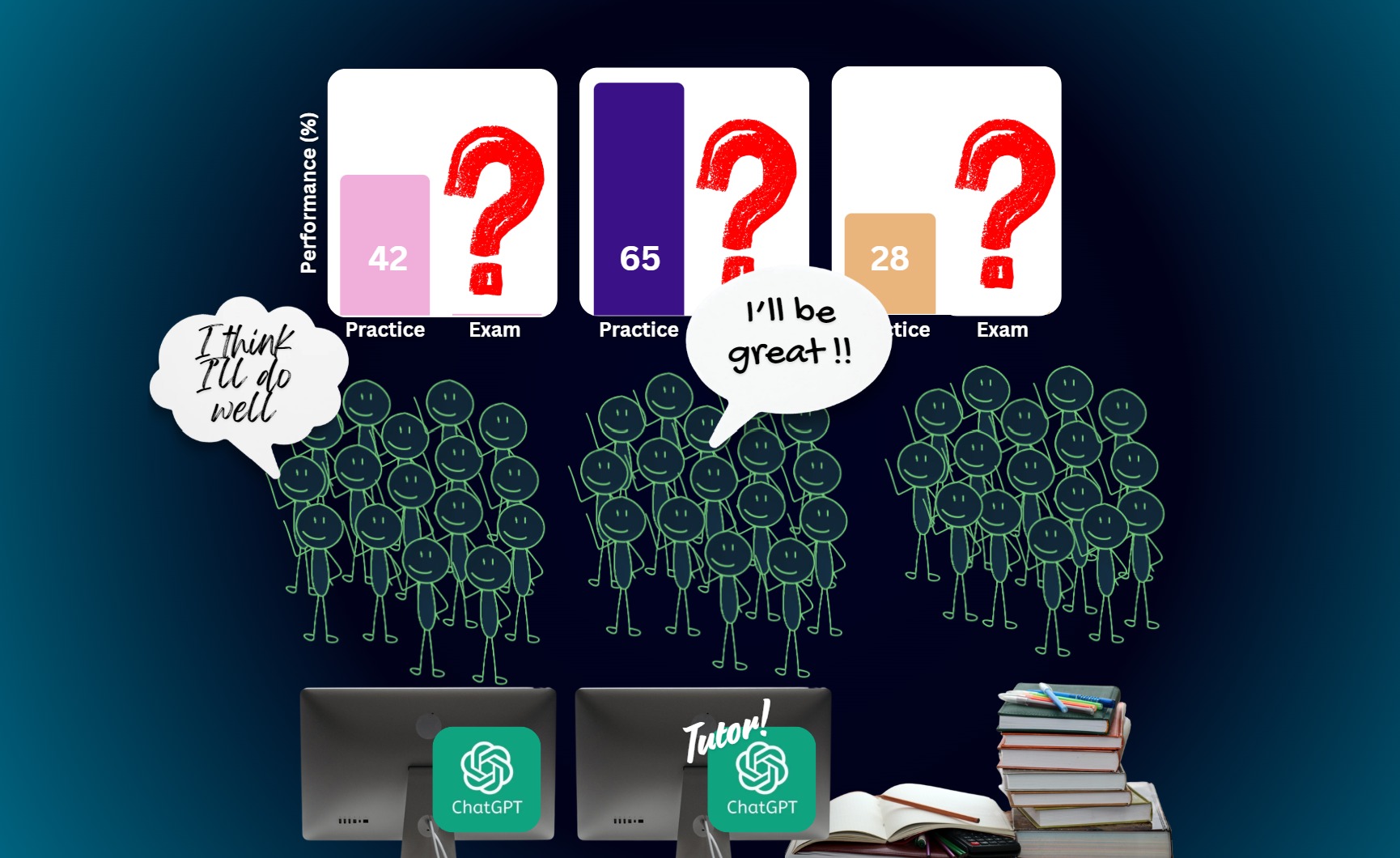
Comparison activity slide showing three groups using ChatGPT, an AI tutor or books, with illustrative practice-score estimates of 42, 65 and 28 percent, derived from a study regression; exam results are hidden by question marks. See the adjacent study note for context.
Learning through comparison and discussion

Compare

Does how you use AI matter?

Students examine research comparing different approaches to using AI for learning. Before seeing the results, they predict which students performed better, then compare those approaches with their own habits.

What types of AI use help my learning—and what types can get in the way?

Source: Bastani et al., PNAS (2025), Table 1. A high-school mathematics study in Turkey. The 42/65/28 figures are rounded reconstructions from the control mean plus estimated treatment effects—not raw group averages or learning gains. “ChatGPT” represents the study’s GPT Base; “AI tutor” its teacher-informed GPT Tutor; “books” includes course notes. Exams were unassisted. Speech bubbles are illustrative, not quotations.
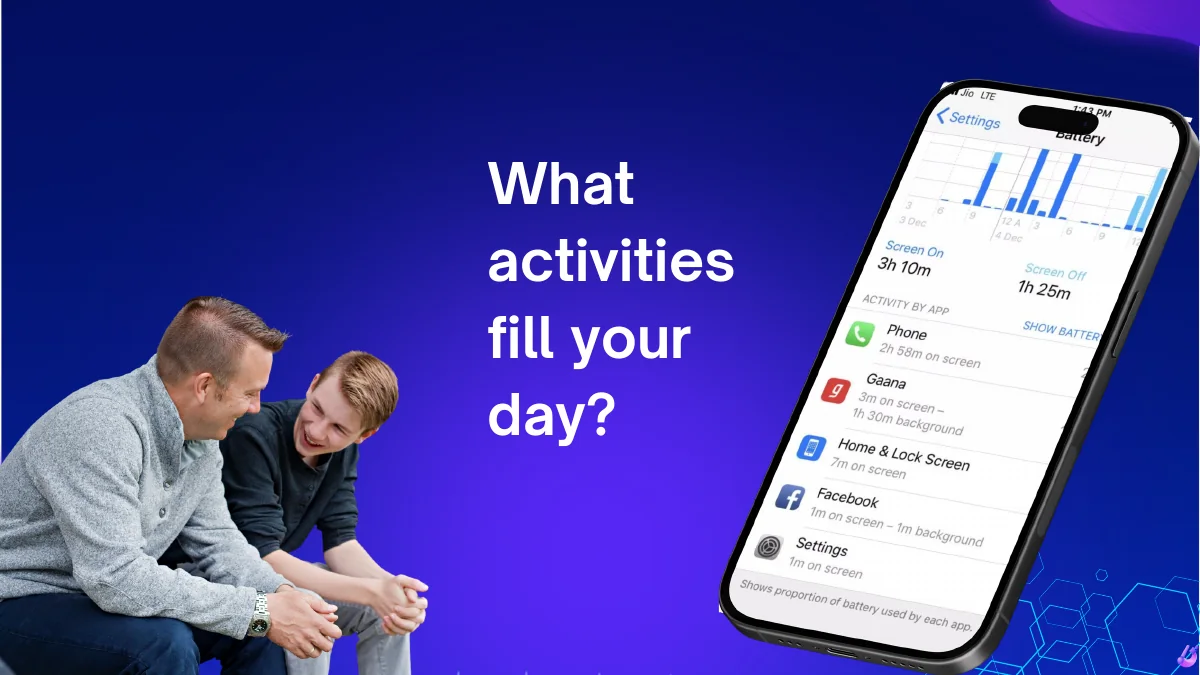
Original activity slide asking what activities fill your day, with a screen-time image.
A sample reflection on daily habits and attention

Reflect

What fills your day?

Students use the Five Ways to Be Wise with AI to reflect on their choices, attention and responsibility when working with AI.

Am I using AI in a way that helps me think, learn and grow?

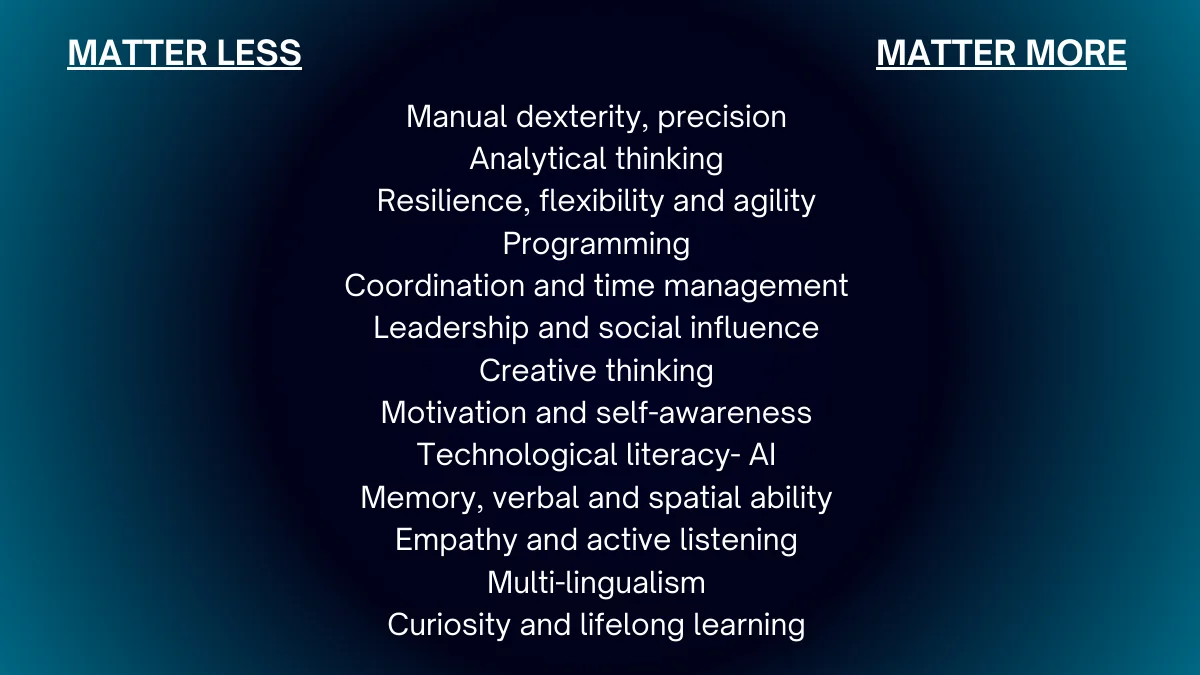
Original activity slide asking students to sort work skills under matter less and matter more.
Sample future-work activity

Decide

Which skills may matter more?

Students examine global evidence about the skills companies are prioritizing more or less. With their peers, they consider how AI may change those priorities and what that could mean for their own development.

Which skills may matter more as AI changes work?

Source: World Economic Forum, The Future of Jobs Report 2025, Skills outlook. Employer expectations for 2025–2030, not guaranteed outcomes. The artwork is a discussion prompt, not a published ranking.

Swipe or use Previous and Next to explore. Examples and activities vary by session.

Meet your speaker

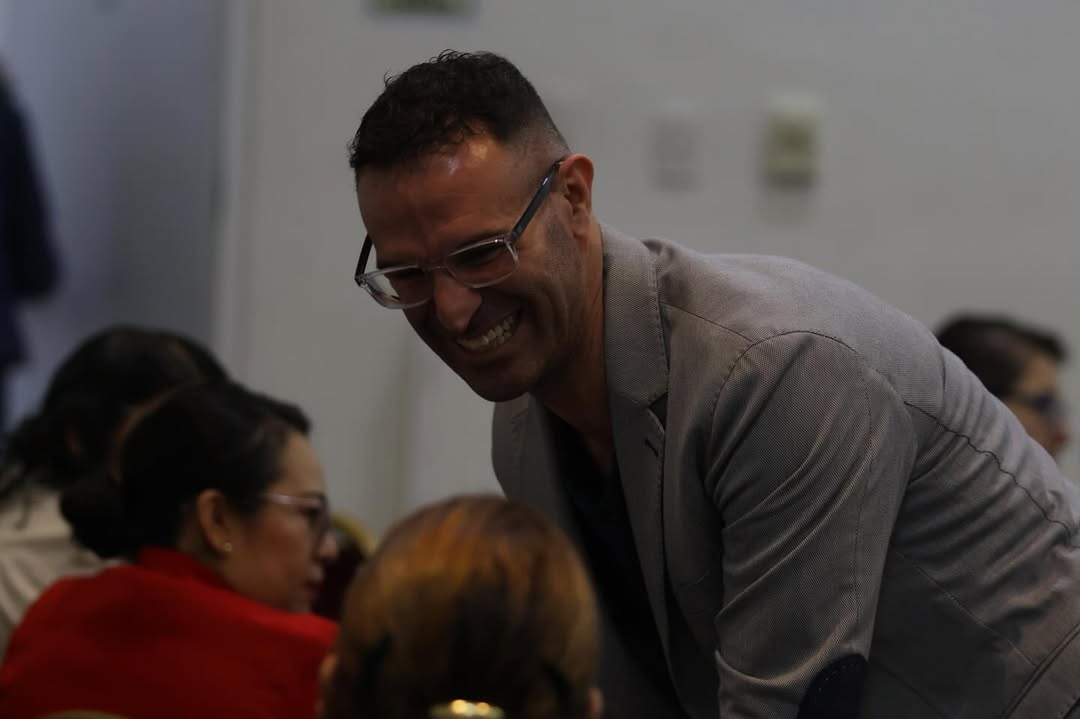
Giancarlo Brotto

An educator's perspective. A conversation young people can actually enter.

Giancarlo began his career as an educator and has spent much of his work helping schools, leaders and families understand how technology changes learning and the choices young people face.

His approach with young people is neither “AI is amazing” nor “AI is dangerous.” He helps them examine evidence, question assumptions, talk with one another and think about the choices they want to make as AI becomes part of learning, work and everyday life.

For parents and caregivers, he translates the same changes into clear, practical conversations about learning, judgment, habits and how to guide children without needing to become an AI expert themselves.

Delivered youth and parent sessions include St. Katharine Drexel and Huron-Perth Catholic District School Board.

Plan your event

Bring the conversation
to your community.

Whether you’re organizing for a school, parent council, youth organization or community group, start with a conversation about your audience and what you want the session to address.

Book a speaking conversation

Prefer email? info@paveedu.org

Share the session you’re interested in, who will attend, your location and any dates you have in mind.